Faith:


Fear can keep us up all night long, but faith makes one fine pillow

Wednesday, April 7, 2010

Set measurable and realistic goals for your savings

Define what you need and want to save for. Is your short-term goal to save enough to make a down payment on a home, or pay for your wedding? Have you started a savings fund for your children? How much time do you have before they will be heading to college, if you're planning to pay for this? How much time do you have to save for your retirement?

You also need to be realistic about the kinds of returns you are likely to get and understand that there are many factors beyond your control that can affect your returns, such as inflation or changes in the stock market or interest rates.

You certainly can't count on the same steady return rate each year. Expect instead a reasonable average return rate over several years that allows for both good and bad years

Tuesday, March 23, 2010

Dear Salary

Saturday, March 13, 2010

About money


Wednesday, February 17, 2010

Shitty ideas

Friday, February 12, 2010

Sunday, January 31, 2010

February 2010

Tuesday, December 15, 2009

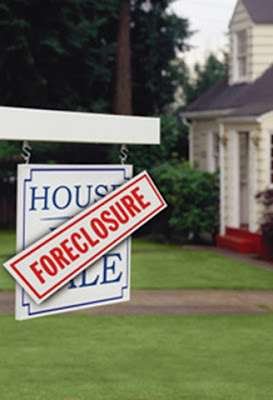
After foreclosure


Be aware after foreclosure!

Mortgage lenders pursue homeowners even after foreclosure.

By Les Christie, CNNMoney.Com

As terrible as it is to lose your house to foreclosure, at least it's a relief to put your biggest financial headache behind you, right?

Wrong.

Former homeowners may still be on the hook if there's a difference between what they owed on their mortgage and what the bank could sell it for at auction. And these "deficiency judgments" are ticking time bombs that can explode years after borrowers lose their homes.

It can even happen to people who got their bank to approve them selling their home for less than it is worth.

Vanessa Corey, for example, short sold her Fredericksburg, Va., home in April 2008. She and her husband built the house in 2004, but setbacks, both personal (divorce) and professional (housing bust), made it impossible for the real estate agent to keep her home. So she negotiated the short sale and thought that was the end of it.

"My understanding was that the deficiency was negotiated away," she said. "Then, last November, I got a letter from a lawyer telling me I owed my lender $65,000. I had to declare bankruptcy. There was no way I could pay it."

Many homeowners are now in the same boat. And not just those who took out bigger loans than they could afford or who did so called "liar loans" where they didn't have to verify their income.

Because of falling home prices, borrowers who always paid their mortgage but who have run into unforeseen circumstances -- like unemployment or a job transfer -- can no longer sell their homes for what they owe. As a result, they are being forced to short sell or foreclose and are getting caught up in deficiency judgments.

"After the banks foreclose, it's very common now to have large deficiencies with houses not worth the balances owed," said Don Lampe, a North Carolina real estate attorney.

Lenders mostly declined comment. Although Corey's lender, BB&T did indicate it was pursuing more deficiency judgments.

"They follow the rise and fall of foreclosures," said the spokeswoman, who would not discuss Corey's account.

Can they come after you?

Whether banks can and will pursue deficiency judgments depends on many factors, including what state the borrower lives in and whether there's a second mortgage or other liens. But if borrowers ignore the possibility of deficiencies, it could haunt them.

"Once they have a judgment, they can pursue you anywhere," said Richard Zaretsky, a board-certified real estate attorney in West Palm Beach, Fla. "They can ask for financial records, have your wages garnished and, if you fail to respond, a judge can put you in jail."

In the case of foreclosure, lenders can pursue deficiencies in more than 30 states, including Florida, New York and Texas, according to the U.S. Foreclosure Network, an organization of mortgage law firms.

Some states, such as California, are "non-recourse" and don't allow deficiency judgments. But, even there, if the if the original loan was refinanced, some or all of it may be subject to claims.

Deficiency judgments on short sales and deeds-in-lieu can happen in many more places. In these cases, extinguishing the debt is often a matter of negotiating with the bank.

But even when lenders are willing, many borrowers may not be aware that they have to ask for release. So, if you are pursuing a short sale, be sure your attorney asks the bank to release you from any further obligation.

"People shouldn't have a false sense of security that a deficiency judgment may not be later sought," Zaretsky said.

He expects many will be filed over the next few years, based on the fact that banks have sold many of these accounts to collection agencies and other third parties, at discount.

"The parties who bought those notes wouldn't have paid money for them unless they had the intention of acting," Zaretsky said.

Ticking time bomb

What can be scary is that the judgments don't have to be obtained immediately. Lenders or collection agencies may wait until debtors have recovered financially before they swoop in. In Florida, the bank can wait up to five years to file. Once the court grants a judgment, the lender has 20 years there to collect, with interest.

It doesn't have to be a large amount of debt for a lender or collection agency to come after borrowers. Richard Varno and his wife short sold their Nashville home back in 2004 after he lost his job.

It wasn't until 2008, when the second lien holder asked him for $25,000, that he realized he still was liable.

"I told them, 'Hey, you guys released the title,'" he said. "As far as I know, I'm off the hook."

He wasn't. Releasing title does not necessarily end the debt. It's complicated because of variations in state law, but, generally, a mortgage has two parts: a pledge of collateral, represented by the home, and a promise to pay off the loan.

Lenders may release property liens in order to facilitate short sales without releasing borrowers from their obligations to pay under the promissory notes. The secured debt can convert to an unsecured one after the sale.

Zaretsky had one client who was so relieved to have arranged a short sale that he signed every paper his real estate agent shoved at him, even a confession that clearly stated he still owed the debt.

"He had no idea what he was doing," said Zaretsky. "All the lender had to do was go to court to convert the confession into a deficiency judgment."

Lenders are also very inconsistent. One of Zaretsky's short-sale clients was ready, willing and able to pay, but the bank did not even ask; another lender always reserves the right to pursue the deficiency.

Strategic defaults

Sometimes lenders go after borrowers walking away from their homes if they have other assets, according to Florida real estate attorney Larry Tolchinsky.

"Banks are pulling credit reports to see if it's a strategic default," he said. "If you're behind on all your other payments, you're okay. But if you're not, they'll come after you."

If borrowers have any doubts about their risks, they should seek legal advice. Or, at least, call non-profit organizations such as NeighborWorks for advice. According to Doug Robinson, a NeighborWorks spokesman, its counselors always try to negotiate away deficiencies when they facilitate short sales or deeds-in-lieu.

"We don't favor any short-sale contracts that leave any deficiency that can be pursued," he said.

Robinson himself knows what can happen. He paid off a deficiency after his own New Jersey house went through foreclosure 11 years ago.

Sunday, November 22, 2009

Don't pay minimum balance, pay off


In case you want know that if you pay the minimum on a $3,000 balance with a 14 percent interest rate, it could take you 10 years to pay off.

Saturday, October 17, 2009

Spending Priorities

1. Food - to survive

2. Shelter - safety and comfort

3. Utilities - to bath, cook, and communicate

4. Transportation - to move around

Friday, October 9, 2009

First ATM and First Transaction at Barclays Bank

The world's first ATM cash dispenser was installed on June 27th 1967 at Barclay's Bank in Church Street, Enfield in England


After 42 years

Thursday, September 24, 2009

Borrowing Money


Why are we borrowing money? Is it for materialism, for the appearance of prosperity, OR for basic needs, or for the purpose of growing wealth to enable others?

Tuesday, September 22, 2009

Bank Fees

Banking and fees go together. There are ways to reduce the charges you pay on a regular basis. First, make sure all of the accounts you have open are absolutely necessary. Consolidating multiple checking or savings account could add up to monthly savings of $20 or more.

Also, make sure you understand what and how you are being charged. Some accounts advertise as being free, but in order to have the monthly charges waived, you may need to fulfill some conditions including but not limited to a minimum balance, not exceeding a set number of transactions per month and/or having a set number of direct deposits or automated bills associated with that account.

Transaction fees can also add up quickly. Remember, if you withdraw money from an ATM instead of your bank, the average $3.00 fee is charged both by the cash machine AND by your bank. Likewise, most banks include a surcharge on email money transfers. Keep an eye on your account and make sure you know how much these conveniences are costing you.


Sunday, September 20, 2009

$20,000 Rolex


Financial advisers call it "the problem of the $20,000 Rolex." If a 25-year-old spends $20,000 on a watch or on a big night out at a nightclub, that money is either depreciating or gone. "But if they invested in a five percent, Triple A insured, tax-free municipal bond for a period of 30 years," money manager Seymour says, "that $20,000 would be worth $86,000 at that tax-free rate of return. And needless to say, they buy more than one $20,000 Rolex."

Friday, September 11, 2009

You Have the Options even with too Much Debt


Credit cards, medical bills, personal loans and raising interest rates do not make a good financial mix. Common mistakes you may want to avoid:
  1. Beware of just paying the minimum payments on your debts. This will results in your overall debt actually growing and your problems will only become worse.
  2. Beware of relying on friends and family as it could damage relationships with the most important people in your life.
  3. Beware of unscrupulous credit counselors that demand cash upfront or high fees for help they promise, but don't deliver.
  4. Avoid taking out a new high-interest loan to pay off lower interest rate loans. It may be easier to just have one payment but it will actually increase the amount you have to pay back.
  5. Declaring bankruptcy when debt settlement may work for you...
If you feel like you're in over your head with personal debt, you're not alone. The first advice of experts in the field is to be sure you don't make your situation worse by making common mistakes.

Wednesday, September 9, 2009

Debt Management

Paying off Debt

Step 1: Make a Pledge
To begin, you should make a pledge to yourself that over the next three days, you will:

* Plan on taking four very easy steps to increase your chances of having a secure financial future.
* Promise yourself today - right now, this minute - that you won't be surprised by financial windfalls or pitfalls in the future because you're going to plan accordingly.

Don't get too pumped up now, we're not talking about giving up your daily Starbucks here. This is going to be a lifelong process, but it's important that we get started sooner rather than later. There is no exact date for this "financial pilgrimage", so no work will be missed, no concerts will be passed up and no after-work sports leagues will be canceled. Relax. The advice below will require that you make one stop at a local store and possibly visit a couple websites.

Step 2: House Keeping
a. Get a file system and get the folders to go with it. They are pretty cheap at your local office supply store. A simple file cabinet (plastic or otherwise) and some simple file folders are all that's needed here.

b. Get your most recent credit card statements, phone bills (if you pay online, print a copy), insurance information, your user names and passwords to websites, etc. Make sure to get basically everything that you could look for later but usually can't find right away when you need it - like the receipt for that wedding gift you have to return or your eBay password you can never remember. Now file all these statements, bills and receipts into the filing system you just bought. It generally helps to have the most recent document to the front of the file, but how you choose to file will depend on your personal style.

Make sure to keep adding to these folders as new bills and statements come in. Your goal here is to keep these files organized and up to date so you can always find what you're looking for when you actually need it.

Step 3: Set up an Emergency Fund
No one eagerly anticipates negative, unexpected events. But guess what? They're going to happen. It's just a fact of life. Money magazine says that 78% of us will have a major negative event happen in any given 10-year period of time. This beginning emergency fund will keep life's little Murphies from turning into new debt while you work off the old debt.

Step 4: Start Paying your Debt
The principle is to stop everything except minimum payments and focus on one thing at a time. Otherwise, nothing gets accomplished because all your effort is diluted. List your debts in order with the smallest payoff or balance first. Do not be concerned with interest rates or terms unless two debts have similar payoffs, then list the higher interest rate debt first. Paying the little debts off first gives you quick feedback, and you are more likely to stay with the plan. Continue

Step 5: Set up 6 - 9 Month Emergency Fund
Ask yourself, "Self, what would it take for you to live for 6 to 9 months if you lost your income?" Your answer to that question is how much you should save. Remember, this stash of money is not an investment; it is insurance you're paying to yourself, a buffer between you and life. Continue

Step 6: Paying off Mortgage and other long term loans

Step 7: Investment and Saving

Most importantly, remember one last thing. Your economy is up to you. If you are out of debt and have money in the bank, then the media can talk up a storm about a recession, but you won't feel it. When you have a plan, live on less than you make and save money, you are not in trouble. If you have a paid-for house, who cares if foreclosure rates are up? You are all right. If you have no credit card debt and the plastic companies decide to raise interest rates to 50%, how much will you care? NOT ONE BIT! Take care of your personal money situation, and everything else will take care of itself.

Monday, September 7, 2009

Keeping up with the Joneses


Personal spending on credit is at record levels. The average American household, has $6,000 to $15,000 in credit card debt alone (according to various statistics - who knows which to believe?) Keep in mind that this is not including mortgage debt - only consumer spending. The banks, and their investors, are getting rich by lending us money to fulfill our spending desires.

Have we been living beyond our means?

Friday, September 4, 2009

Payday Loans


This expense may be the most dangerous of the all for your pocket book. These highly unregulated lenders do provide a valuable service – if you need cash now, you can get it for a fee and a promise to repay the amount once payday comes around. However, the industry standard in annualized interest is between 200 and 500%.

These lenders are able to avoid usury laws by calling their interest charges “service fees” which are not regulated the same way in many places. In fact, payday services have been outlawed or severely restricted in 13 states according to bankrate.com. (Hold too tightly to this rescue line and you'll soon be drowning in debt.

Wednesday, September 2, 2009

Cash Advances


You know that getting a cash advance from your credit card is a bad idea, but we'll all been in an unforeseen situation where you need cash fast. So what does this convenience end up costing you? According to CardWeb.com, the fees ten years ago were on average 2% of the amount advanced with a $2 minimum and a $10 maximum fee. Unfortunately, today that number has gone up to 3% with a minimum ranging from $5-$15 with no maximum fees. Add these fees to the transactions fees you might be paying and you'll be shocked to see the total amount that disappears from your wallet each month on convenience fees alone.

Monday, August 31, 2009

Know your financial limits


The Financial Times recently reported that U.S. banks are set to earn $38.5 billion this year from overdraft fees alone, more than double the number from 1994. If you don't know how much is in your bank account, you could easily withdraw or spend beyond your limit or have a check clear that takes your balance below zero. When that happens, banks charge anywhere from $5-$10 in overdraft fees. And that's not all. If you fail to pay back the amount you've overdrawn, you could be hit with even more fees after a set number of days in the form of a large sum (as high as $35) or a daily tariff (often between $5-$10). According to the National Consumer Law Center, the average overdraft fee is $34.65, and considering a purchase as small as your morning latte could put your account in the red, that's a hefty price tag.

Credit cards fare no better, with late payment fees increasing as well as charges for going over your limit. According to a survey done by the Pew Safe Credit Cards Project in March 2009, 92% of credit cards had a fee for exceeding the credit limit, including 100% of student cards. The over-the-limit fee and the late payment fee were both $39 for most accounts. Also, these infringements can result in your interest rate skyrocketing up to 30% or higher. In fact, that same survey found that 93% of cards allow the issuer to raise any interest rate at any time. And once that rate goes up, it is unlikely to come down.

Friday, August 28, 2009

Ignorance is not a bliss


The worst culprit for keeping you in debt is not knowing where your money is going. Make it a priority to keep records of where and how you spend your hard-earned cash. Make a repayment plan and have set goal-dates for paying off debts. Without these tools, it's far too easy to stay in debt. You can purchase accounting software, make a simple (and free) spreadsheet on your computer or even work it out with a pen and paper; just make sure you make a long-term plan for regaining control of your finances.

Debt may seem like a life sentence, but it doesn't have to be. The number one tip for maintaining financial health is awareness. Be aware of your money and where it goes each month, and be aware of the options available to you. There are easy ways to help alleviate the stress on your finances and move from red to black, and the rewards are more than just monetary.